






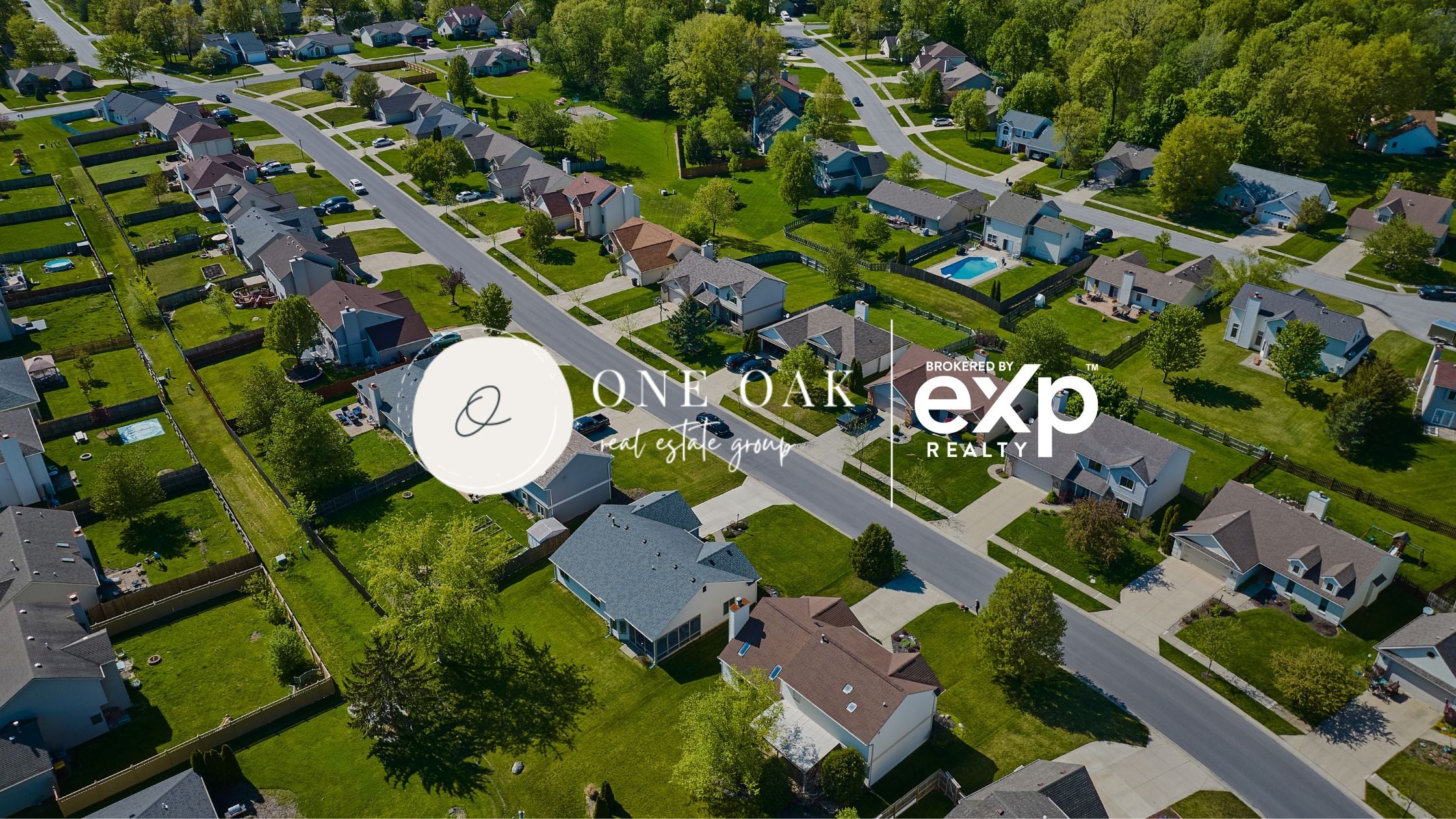
Ask what the "Prince George market" is doing and you'll get an answer that's technically true and practically useless. Prince George isn't one market. It's a collection of micro-markets, and the difference between them shows up directly in your home's value, your buyer pool, and your selling strategy.
Here's what the numbers actually look like — and why they matter whether you're planning to sell, thinking about buying, or just want to understand what your home is really worth.
The city moves in quadrants, not as one market
BCNREB breaks Prince George sales into four broad areas, and the spread between them is significant. In the first quarter of 2026, the median single-family sale price on the Hart was $611,450. In the western part of the city, it was $467,000. East of the bypass, $418,250. The southwest — including College Heights and University Heights — came in at $585,000.
That's nearly a $200,000 gap between the highest and lowest quadrant medians — in the same city, in the same quarter. A "Prince George average price" tells you almost nothing about your street.
Why the same house sells differently in different areas
A 4-bedroom home with a suite behaves differently depending on where it sits:
In College Heights and University Heights, suites attract investors and families offsetting a mortgage, and proximity to UNBC keeps rental demand steady. In the Hart — Hart Highlands especially — buyers are often move-up families paying for space, views, and larger lots, and a suite is a bonus rather than the headline. In Heritage and the Bowl, walkability and affordability drive first-time buyer interest, so entry-level pricing gets more showings faster. Out in Pineview, Beaverley, or North Nechako, acreage buyers shop with a completely different checklist: wells, septic, shops, and land.
Same city. Four different buyer psychologies. Your marketing should match the one that applies to your home — not a generic template.
The mistake homeowners make: pricing off the city average
The most common error we see is a homeowner anchoring to a headline number — "average Prince George home price" — and pricing accordingly. If you own in Lakewood and price off a city-wide average pulled up by Hart and College Heights sales, you'll sit. If you own in Hart Highlands and price off that same average, you'll leave money on the table.
The number that matters is what comparable homes in your micro-market sold for in the last 90 days. Everything else is noise.
How One Oak uses neighbourhood demand before a home even lists
Here's where neighbourhood knowledge becomes strategy. Because we track buyer demand by area — who's searching in College Heights, who's waiting for a Hart Highlands walkout, who wants a suite near UNBC — we often know a home's likely buyer pool before it hits the market.
That's the thinking behind our Coming Soon approach: build the campaign around the neighbourhood's actual buyer demand, so that when the home launches, it lands in front of the right people immediately.
It's also why buyers working with our team hear about homes in their target neighbourhood earlier.
And it's the kind of thing clients mention when they describe working with us. Our reviews on Rank My Agent are tied to verified transactions, and neighbourhood knowledge comes up constantly — because in a city of micro-markets, it's the difference between guessing and knowing.
What to do next
If you own a home in Prince George, the most useful thing you can know isn't the city average — it's what your neighbourhood is doing right now. Ask us for a neighbourhood-specific market opinion. No pressure, no obligation — just the numbers that actually apply to your address.
Check out this article next